


The Future of Stroke Rehabilitation: How Robotic Hand Therapy Is Transforming Recovery
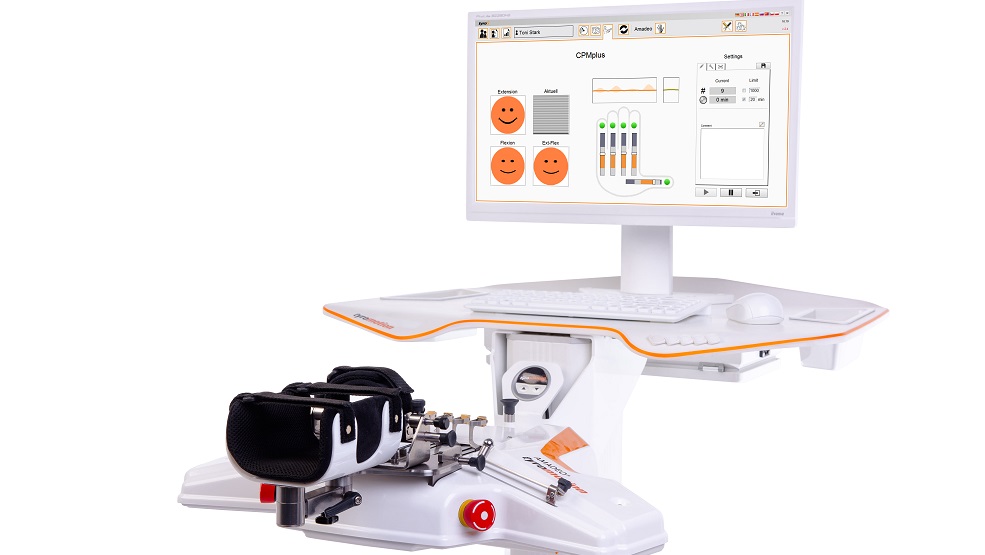
Stroke remains one of the leading causes of long-term disability worldwide. One of the most common challenges faced by stroke survivors is the loss of hand and finger function, which significantly affects daily activities such as eating, dressing, and writing. In recent years, robot-assisted rehabilitation has emerged as an innovative solution to improve recovery outcomes. Technologies like the Tyromotion Amadeo are transforming the way clinicians approach hand rehabilitation.
Why Hand Rehabilitation Is Critical After Stroke?
Approximately 70–80% of stroke survivors experience upper limb impairment. The hand, being the most complex part of the upper limb, requires precise coordination of muscles, tendons, and neural pathways.
Impaired hand function can lead to difficulties with:
- Grasping objects
- Fine motor control
- Coordinated finger movement
- Performing activities of daily living (ADL)
Effective rehabilitation therefore focuses on restoring motor control, strength, and coordination through intensive and repetitive training.
The Science Behind Robotic Hand Therapy
Robotic rehabilitation devices are designed to deliver high-intensity, repetitive, and task-specific therapy, which are essential principles for promoting neuroplasticity—the brain’s ability to reorganize and form new neural connections after injury.
Robotic systems allow therapists to deliver:
- Precise and controlled movements
- Adjustable assistance or resistance
- Real-time feedback on patient performance
The Tyromotion Amadeo is specifically developed to assist patients with impaired finger and hand movement by guiding the fingers through natural motion patterns while collecting objective performance data.
Key Features of Robotic Hand Rehabilitation
Intensive Repetitive Training
Robotic therapy enables patients to perform hundreds of repetitions in a single session, which is difficult to achieve with manual therapy alone.
Objective Assessment
Advanced robotic systems measure parameters such as:
- Range of motion
- Grip strength
- Finger coordination
- Motor control progress
These data help clinicians track patient progress and adjust treatment plans accordingly.
Adaptive Assistance
The device can provide assistance when the patient is unable to move independently, gradually reducing support as the patient regains strength and control.
Motivational Therapy Through Gamification
Interactive therapy exercises help maintain patient engagement and motivation, which is crucial for long-term rehabilitation adherence.
Clinical Applications
Robotic hand therapy is increasingly used in rehabilitation programs for patients with:
- Stroke
- Traumatic brain injury
- Spinal cord injury
- Neurological disorders affecting hand function
The therapy is particularly effective when integrated into comprehensive neurorehabilitation programs that include physiotherapy, occupational therapy, and functional task training.
Benefits for Clinicians and Patients
For Patients
- Improved motor recovery
- Increased therapy intensity
- Higher motivation and engagement
- Objective feedback on progress
For Clinicians
- Quantifiable treatment outcomes
- Consistent therapy delivery
- Enhanced treatment efficiency
- Ability to personalize rehabilitation programs
The Future of Neurorehabilitation
As rehabilitation technology continues to evolve, robotic therapy is becoming an essential component of modern neurorehabilitation centres. By combining advanced robotics, real-time data analysis, and patient-centred therapy, clinicians can deliver more effective treatment and help patients regain independence faster.