


Walking Again: How ExoAtlet is Rewriting the Rules of Rehabilitation
For someone living with a spinal cord injury or recovering from a stroke, the goal isn’t just “movement”—it’s autonomy. While general exoskeletons often focus on making healthy people stronger, ExoAtlet has a different mission: giving the gift of a natural stride back to those who thought they might never walk again.
The ExoAtlet II: A Masterclass in Human Engineering
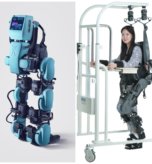
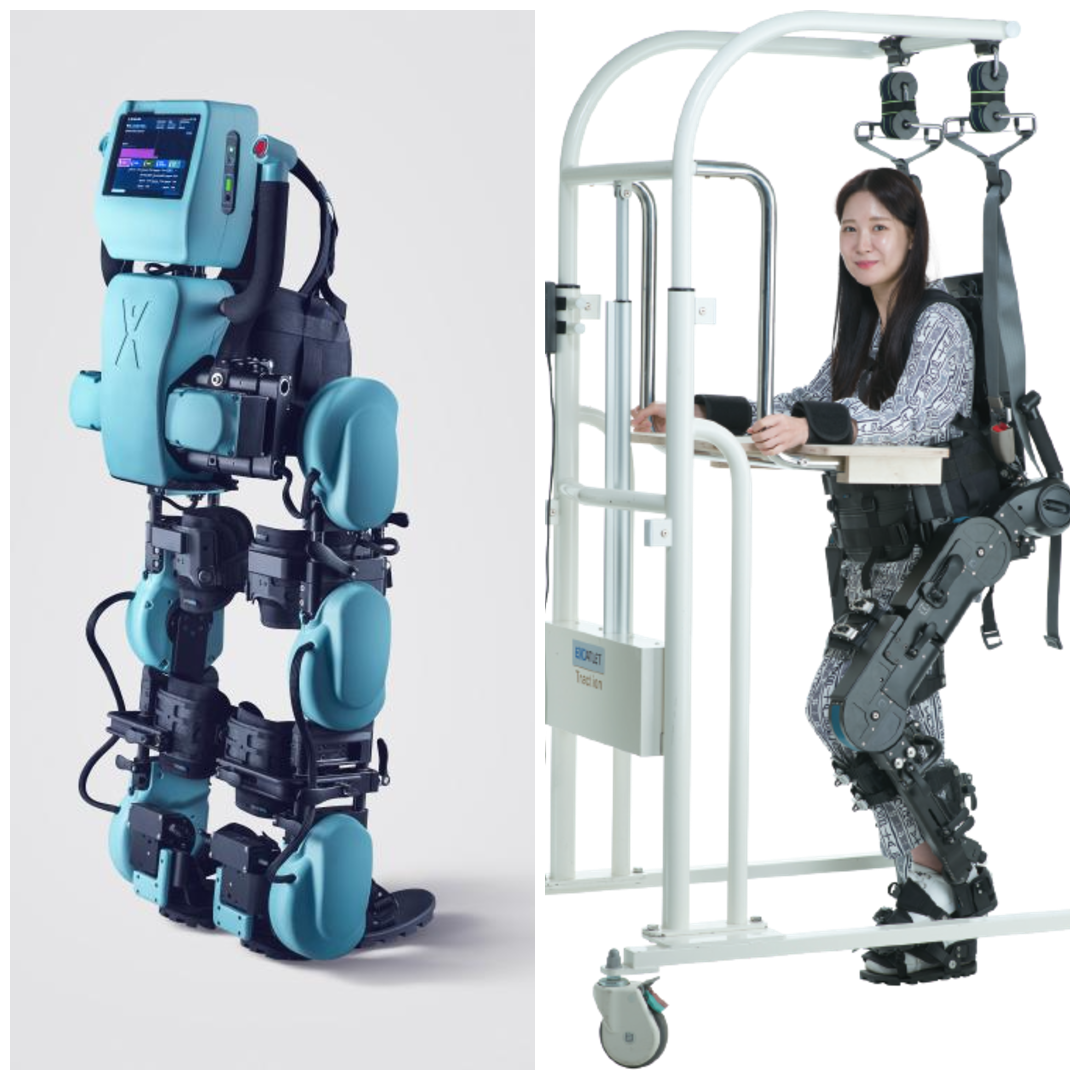
The flagship ExoAtlet II isn’t just a pair of robotic legs; it’s a sophisticated medical tool designed to mimic the exact biomechanics of a healthy human gait.
Key Technical Specs:
- Natural Gait Pattern: Unlike many rigid robots, the ExoAtlet II allows for 13 anthropometric settings, including thigh adduction/abduction and foot inversion/eversion. This means the suit fits the patient’s unique body geometry, not the other way around.
- Active & Passive Modes: It can do the work for a patient with total paralysis (Passive) or provide just enough “boost” for someone with partial mobility to complete a step (Active).
- Battery Power: A single charge lasts for a full day of clinical training (approx. 8 hours), meaning no mid-therapy shutdowns.
- ExoCloud Integration: Doctors can monitor a patient’s progress in real-time. Every step is recorded, analyzed, and uploaded to the cloud to help refine future therapy sessions.
Beyond Adults: The Bambini Mini
One of the most heart-moving breakthroughs from ExoAtlet is the Bambini series. Designed for children as young as 2 to 7 years old (with the Bambini Mini), this tech targets early-stage neurological disorders like Cerebral Palsy.
By introducing robotic gait training at such a young age, the Bambini helps “train” the child’s central nervous system during its most adaptable phase. It’s not just about moving legs; it’s about teaching the brain how walking should feel.
Why Clinicians Love It
If you’ve ever seen a traditional gait therapy session, it often requires two or three physical therapists to manually move a patient’s legs. It’s exhausting and inconsistent.
The ExoAtlet Advantage:
- Consistency: The robot never gets tired. It delivers the exact same high-quality step every single time.
- Safety First: Features like the Spasticity Protection Unit automatically stop the motors if the patient has a muscle spasm, preventing injury.
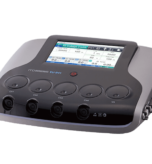
- FES Integration: Advanced versions now sync with Functional Electrical Stimulation (FES), sending tiny electrical pulses to the muscles at the exact moment they need to contract during a step.
The “ExoRehabilitation” Ecosystem
ExoAtlet isn’t just selling a suit; they are building an ecosystem. They partner with hospitals to create dedicated “ExoRehab” centers where the technology is combined with specialized medical protocols.
In 2026, the company is pushing toward the ExoAtlant Torso, expanding their reach into industrial back support, proving that the lessons learned in the hospital can also protect workers on the factory floor.
Final Thoughts
The beauty of the ExoAtlet system is that it bridges the gap between the hospital and the home. With “Smart Crutches” that allow the user to control the suit themselves, the dream of a world where wheelchairs are optional is getting closer every day.
ExoAtlet isn’t just building machines; they are building hope, one step at a time.
Did You Know? ExoAtlet was a top contender in the Cybathlon—the “Cyborg Olympics”—where pilots use assistive tech to navigate complex obstacle courses.